Overview
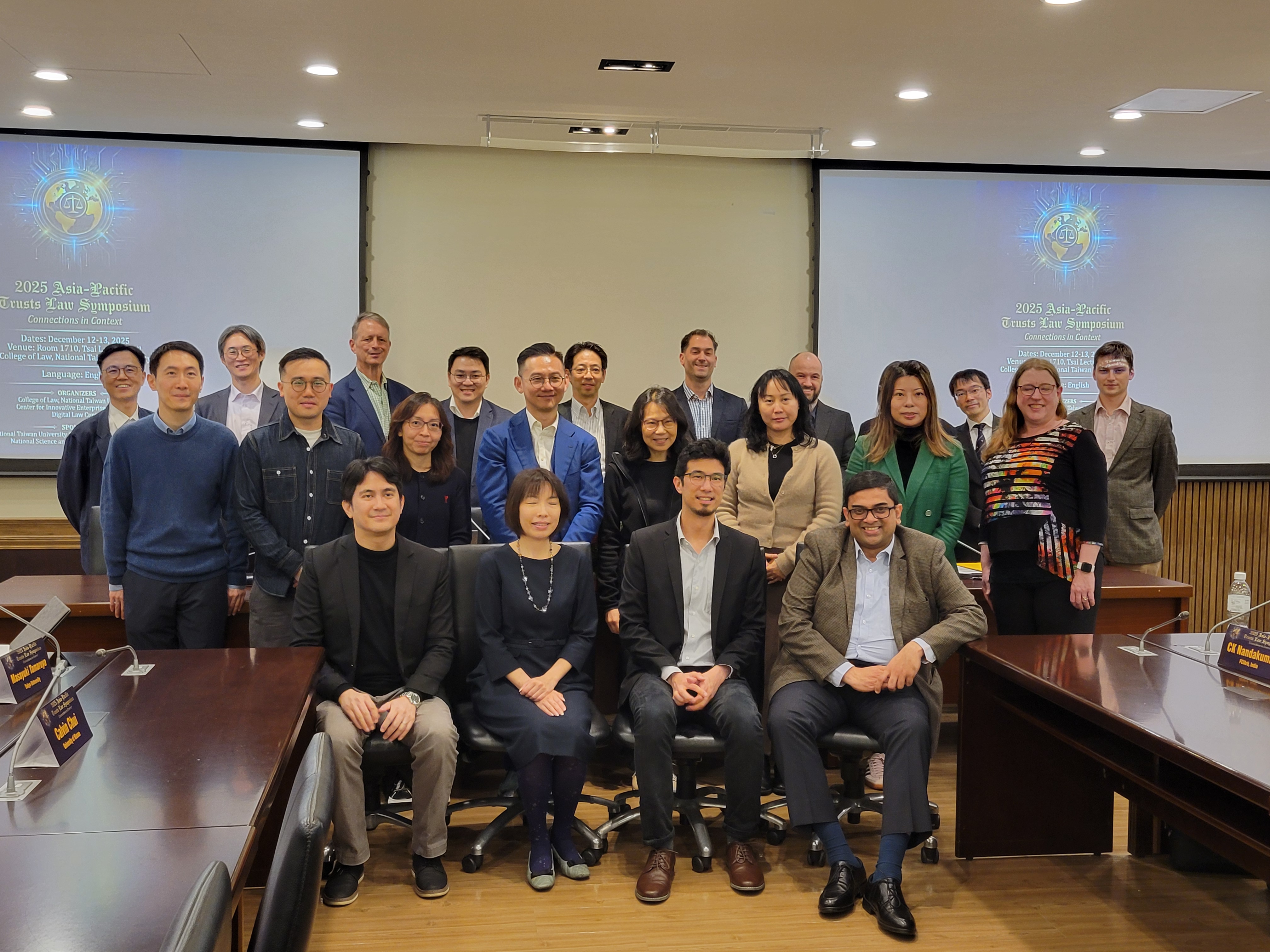
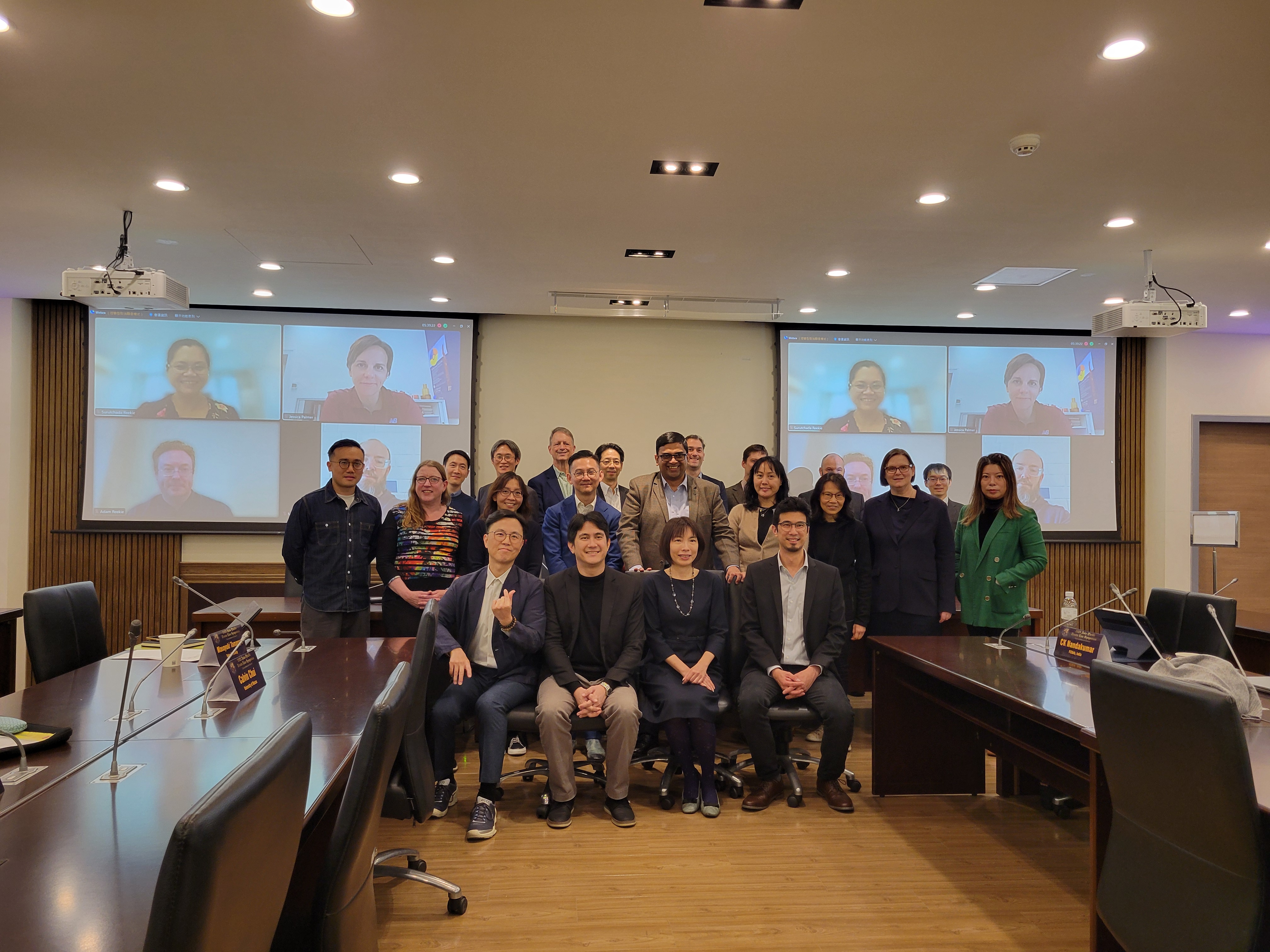
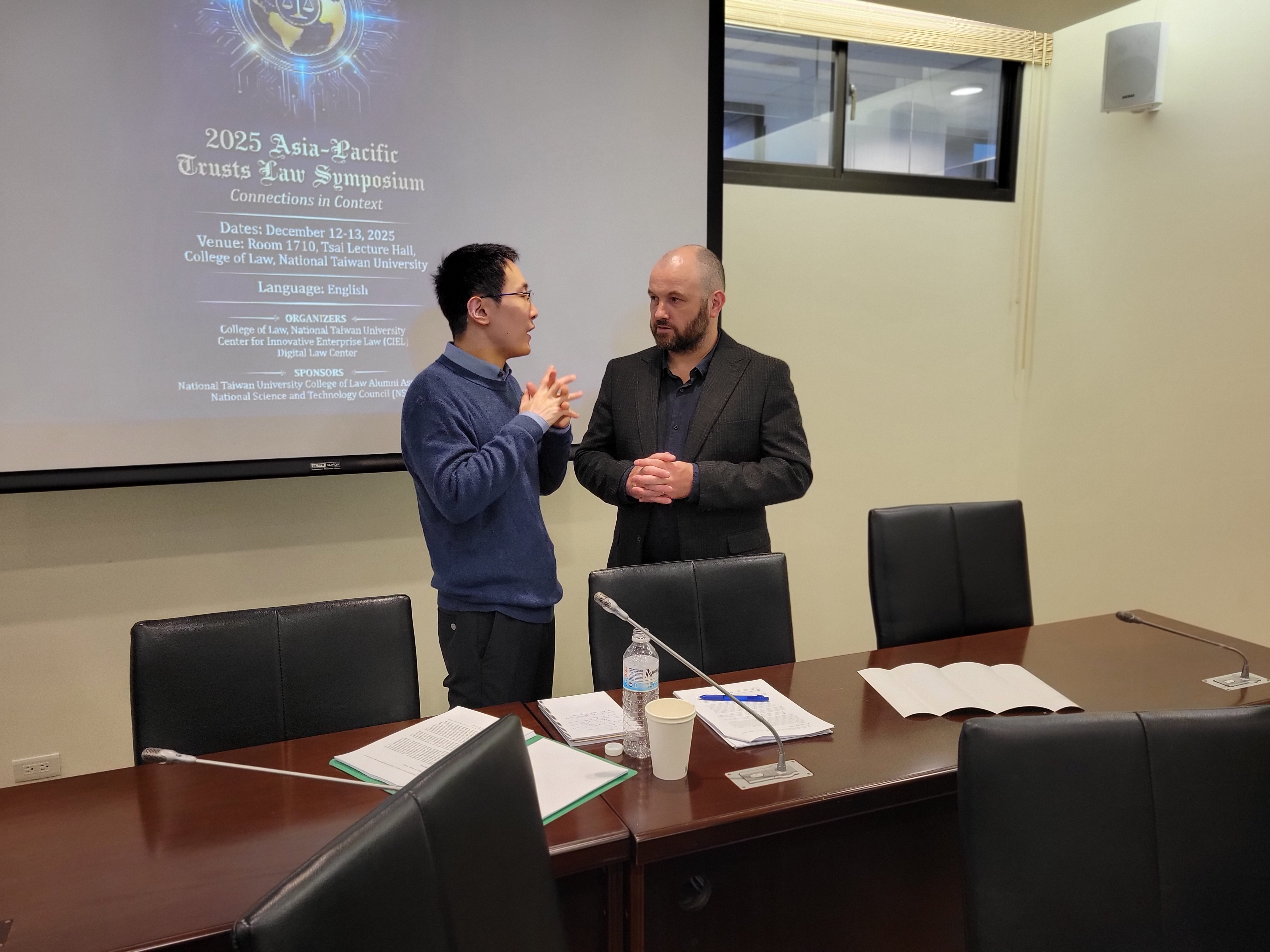
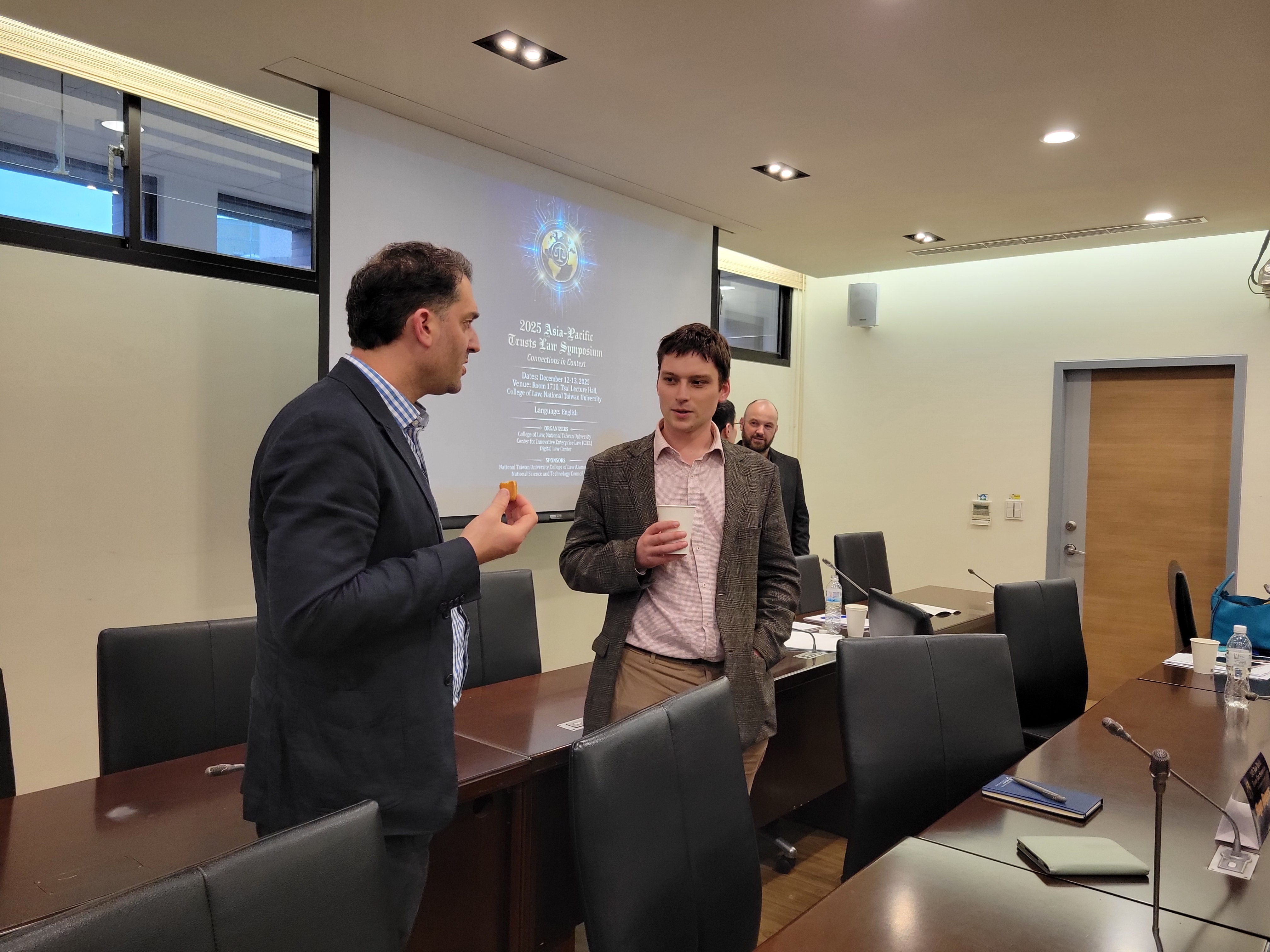
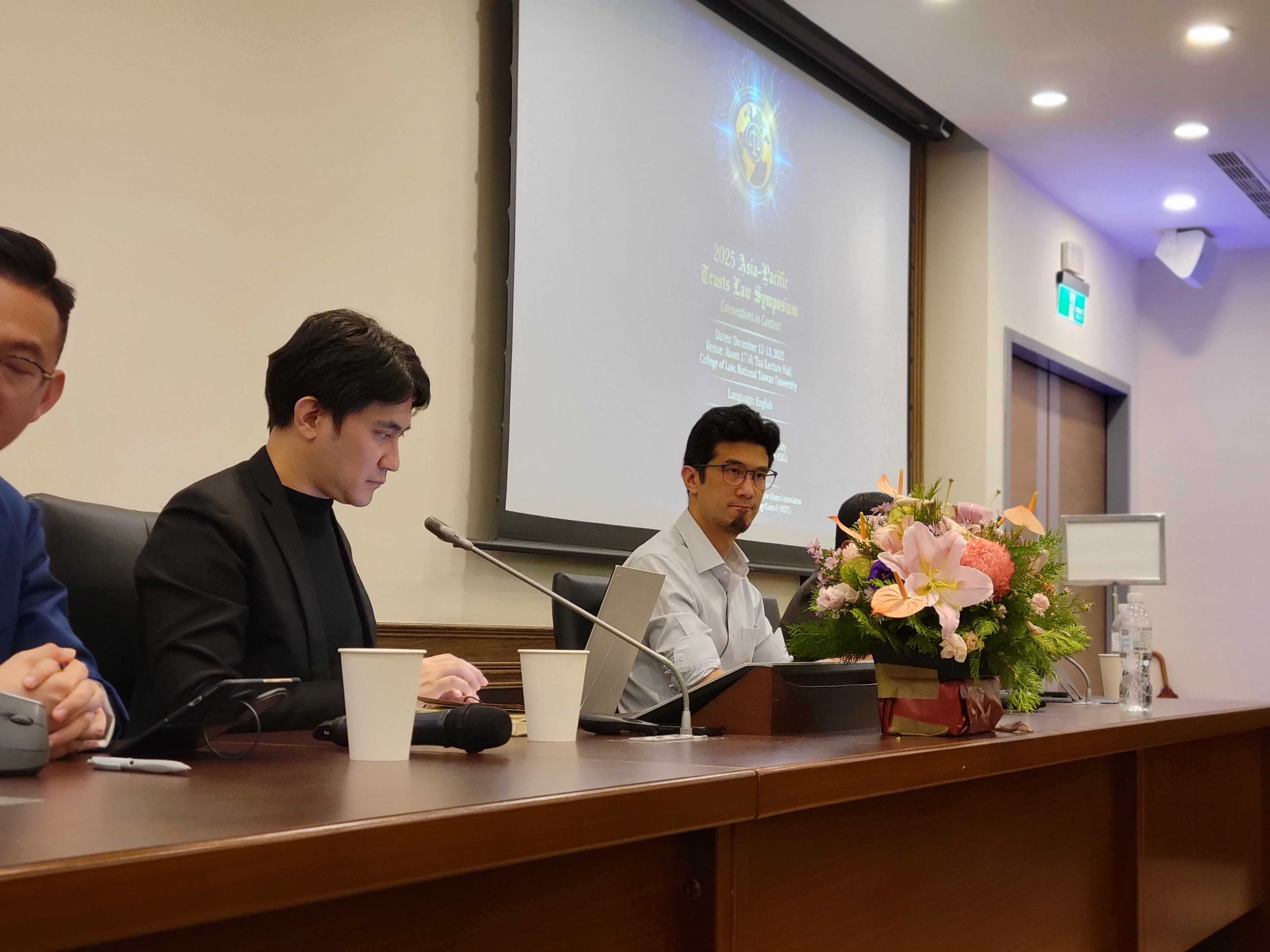
The 4th Asia-Pacific Trusts Law (APTL) Symposium was held on December 12–13, 2025, at the College of Law, National Taiwan University. Supported by research funding from the Ministry of Education and the National Science and Technology Council, as well as by the NTU Law Alumni Association, the Symposium was jointly planned by the College of Law, National Taiwan University, the Center for Innovative Enterprise Law, and the Digital Law Center. Continuing the established APTL Symposium series and its comparative and cross-jurisdictional approach, the conference brought together scholars from leading law schools across Asia, Australia, and North America for two days of intensive academic exchange.
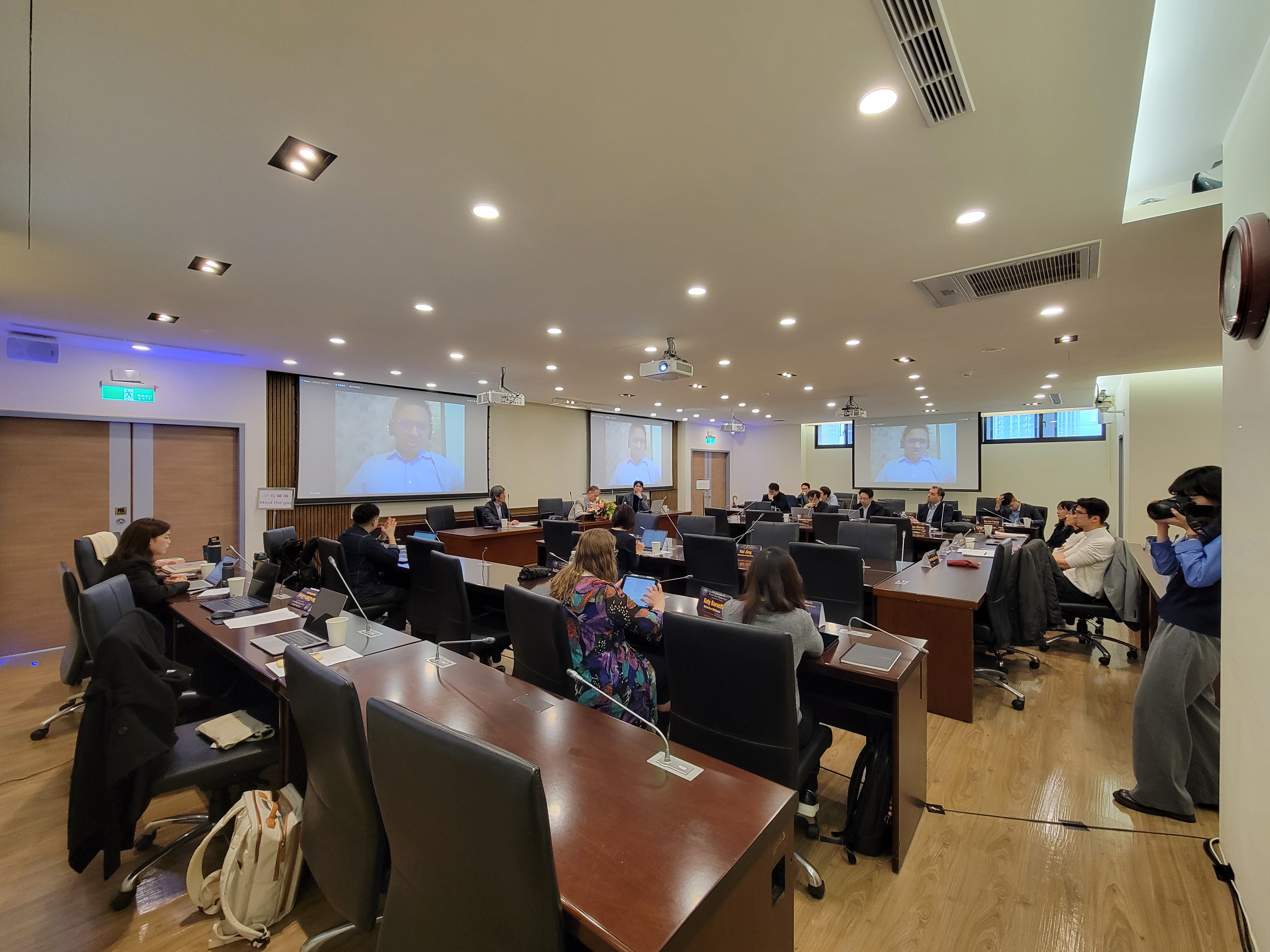
Continuing the APTL Symposium series, the conference brought together scholars from the Asia-Pacific region and beyond to engage in sustained comparative and cross-jurisdictional dialogue on the development of trust law in different legal traditions and social contexts. The two-day program consisted of multiple panel sessions chaired by senior scholars, with each session featuring in-depth paper presentations followed by extensive discussion.
Comparative Perspectives on Trust Law
Across the sessions, participants examined the core theoretical foundations and institutional operation of trust law. Key issues included the legal nature of beneficiaries’ rights, the structure of trustees’ powers and duties, asset segregation and third-party effects, and the permissible scope of settlor control. Through comparative analysis of common law and civil law systems, the papers explored how different jurisdictions address similar functional concerns through distinct doctrinal frameworks. Case studies and doctrinal comparisons covered a wide range of jurisdictions, including Japan, Australia, Korea, New Zealand, China, Thailand, Macau, Singapore, India, and Taiwan, highlighting both converging trends and persistent structural tensions.
Regulation, Markets, and Social Functions of Trusts
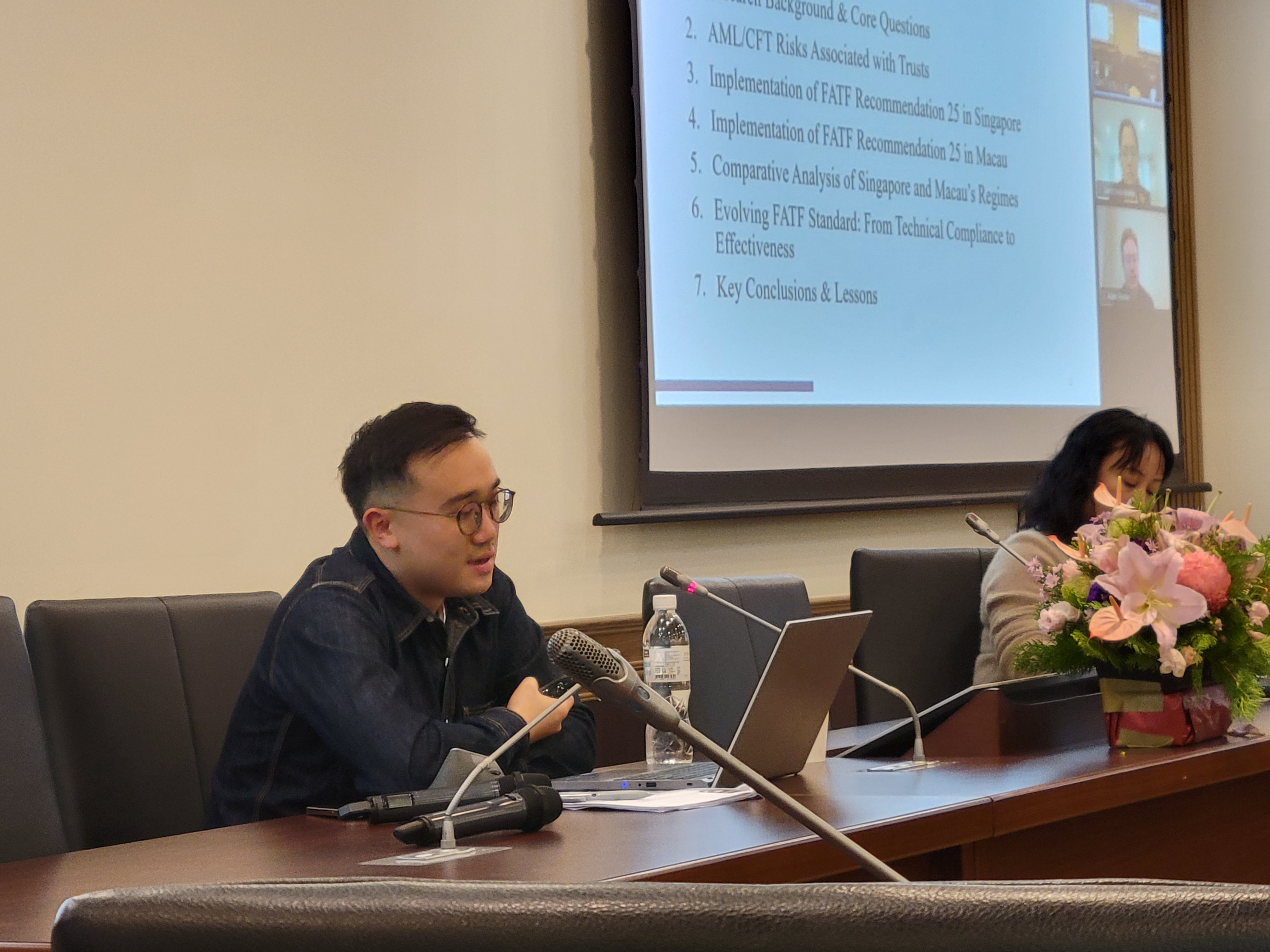
Several sessions focused on the regulatory dimensions of trust law in contemporary financial and commercial contexts. Discussions addressed real estate investment trusts (REITs) and investment trust regimes in major Asian markets, emphasizing that market performance depends less on formal legal classification than on taxation policy and regulatory design. Other papers examined the implementation of anti-money laundering (AML) standards and beneficial ownership transparency, particularly in response to international norms such as the FATF recommendations, illustrating how regulatory pressure has reshaped trust law frameworks in different jurisdictions.
Beyond financial applications, the Symposium devoted substantial attention to the expanding social functions of trust law. Comparative studies on special needs trusts, elderly care trusts, and charitable trusts demonstrated how trust law has evolved into a key legal mechanism for addressing aging societies, social welfare needs, and family governance challenges across jurisdictions.
Private International Law and Concluding Reflections
In its concluding sessions, the Symposium turned to choice-of-law issues in private international law, examining how different legal systems conceptualize property and obligations in cross-border trust disputes. Participants observed that, given deep structural differences among legal traditions, the pursuit of formal uniformity in choice-of-law rules is often unrealistic. Instead, emphasis should be placed on achieving functional consistency in legal outcomes within existing legal frameworks.
The Symposium concluded with closing remarks reflecting on the value of sustained comparative engagement and international academic collaboration. The discussions throughout the two days underscored the continuing relevance of trust law as a dynamic legal institution shaped by regulatory pressures, social change, and cross-jurisdictional interaction, and reaffirmed the importance of the APTL Symposium as a platform for advancing comparative trust law scholarship.